
Title:
Hydraulic Steering System Repair: Essential Tips for Maintaining Your Equipment
Created:
Updated:
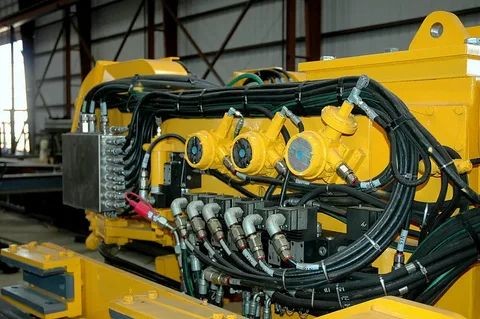
The hydraulic steering system is an important component in many vehicles and machinery, helping operators navigate easily and safely. This system relies on hydraulic pressure to assist in steering, making it easier to maneuver heavy equipment, boats, and trucks. However, like any mechanical system, the hydraulic steering system can experience problems over time. In this blog, we will explore the importance of hydraulic steering system repair, common issues, and maintenance tips to keep your system in top condition.
A hydraulic steering system is a mechanism that uses hydraulic fluid to assist in the movement of the steering wheel or lever, making it easier to control the direction of a vehicle or machine. Instead of relying solely on mechanical linkages or manual force, the hydraulic system uses fluid pressure to amplify the force applied by the operator. This is especially useful in large vehicles or equipment where manual steering would require too much effort.
In boats, for example, a hydraulic steering system makes it easier to steer the boat even when it’s moving at high speeds. Similarly, in heavy machinery, such as construction vehicles, the system helps operators move the vehicle with precision and ease.
Like all mechanical systems, the hydraulic steering system needs regular maintenance and occasional repair to function properly. Here are some reasons why hydraulic steering system repair is so important:
The hydraulic steering system plays a critical role in the safety of a vehicle or piece of machinery. If the system malfunctions, it can lead to steering problems, making it difficult or even dangerous to control the vehicle. Regular hydraulic steering system repair ensures that the steering is responsive and reliable, which is vital for safe operations.
A small issue with the hydraulic steering system can quickly escalate into a more serious problem. Leaks, low fluid levels, or worn-out components can cause damage to other parts of the system. By performing timely repairs, you can prevent these issues from turning into costly repairs or replacements.
A well-maintained hydraulic steering system works smoothly and efficiently. Regular repairs ensure that the steering is responsive and that the system operates at its full potential. This helps to improve the overall performance of the vehicle or machine, making it easier and more efficient to use.
The longer you can keep your hydraulic steering system in good condition, the longer your equipment will last. Timely hydraulic steering system repair helps extend the lifespan of the system and the vehicle or machine it’s installed in, saving you money in the long run.
To understand when your hydraulic steering system might need repair, it’s important to know what problems can occur. Here are some of the most common issues:
One of the most common issues with hydraulic steering systems is low fluid levels. If the fluid levels drop, the system won’t work as effectively, making steering difficult or sluggish. Over time, low fluid levels can also cause damage to the pump and other components. Regularly checking and topping off the hydraulic fluid can help prevent this issue.
Leaks in the hydraulic system can be caused by damaged hoses, seals, or connections. If hydraulic fluid is leaking, it can reduce the pressure needed for the system to work properly. A leak can lead to a loss of steering control, making it harder to operate the vehicle or machine. Finding and fixing leaks early can help prevent more serious damage and ensure your system works effectively.
Air in the hydraulic system can cause erratic or unresponsive steering. Air bubbles can form in the system if there is a leak, if the hydraulic fluid is not bled properly, or if the fluid is contaminated. If air is present in the system, it can affect the performance and cause difficulty in steering. Bleeding the system to remove air can resolve this issue.
The components of the hydraulic steering system, such as the pump, steering cylinder, or valve, can wear out over time. Worn-out seals, damaged hoses, or a faulty pump can lead to poor performance or complete failure of the system. Regular inspections and repairs help identify these issues before they cause more serious problems.
Contaminated hydraulic fluid can cause wear and tear on the components of the steering system. Dirt, rust, or water can enter the system, damaging the pump, steering cylinder, and other parts. Keeping the hydraulic fluid clean and changing it regularly can help prevent contamination-related issues.
If you notice any of the issues mentioned above, it’s important to address them promptly. Here are some basic steps to perform hydraulic steering system repair:
Start by checking the hydraulic fluid levels and its quality. Low or dirty fluid is often the cause of many steering problems. If the fluid is low, top it off with the appropriate type of hydraulic fluid. If the fluid is dirty or contaminated, drain and replace it.
Look for any signs of hydraulic fluid leaks around the hoses, seals, and connections. If you find any leaks, replace the damaged components immediately. Ensure that all connections are tight and secure.
If the system has air trapped inside, it may need to be bled to remove the air. Follow the manufacturer’s instructions to bleed the system and restore proper hydraulic pressure. This will help eliminate any issues caused by air in the system.
If you find any worn-out components, such as seals or hoses, replace them as needed. Inspect the pump, steering cylinder, and valve to ensure they are in good condition. Replacing damaged parts will prevent further issues and keep the system running smoothly.
If you are unsure about performing repairs yourself or if the problem is more complicated, it’s best to consult a professional. A qualified technician can perform a thorough inspection and hydraulic steering system repair to ensure that your system is functioning properly.
The hydraulic steering system repair is crucial for maintaining the safety, performance, and longevity of your vehicle or machinery. Regular maintenance and timely repairs can prevent issues like fluid leaks, low fluid levels, and air in the system, ensuring that your equipment continues to operate smoothly. If you experience any problems with your hydraulic steering system, addressing them early can save you time, money, and effort in the long run.
If you’re experiencing issues with your hydraulic steering system, don’t wait for the problem to get worse. Contact us today for professional hydraulic steering system repair and get your equipment back to optimal performance. We are here to help you keep your machinery safe and running smoothly!
For more info visit us :
| Name:- | Power Hydraulics Dubai |
| Website: | https://www.powerhydraulic.ae/ |
| Phone: | 9714-2766511 |
| Address: | W/S 142A & 143B P.O Box No 37960 – Dubai Maritime City – Dubai |
| E-mail ID: | operations@powerhyd.ae |
| Google Map: | https://maps.app.goo.gl/KQ4rhhnRXQYpf8PfA |