

Title:
Understanding Hot Rolled Plates: A Comprehensive Overview
Created:
Updated:
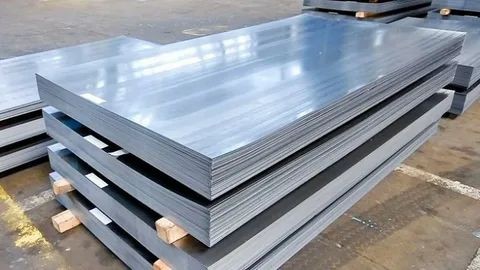
Hot rolled plates are widely used in various industries for their strength, durability, and versatility. These plates are essential in sectors such as construction, manufacturing, and engineering. In this article, we will explore what hot rolled plates are, how they are made, and their common applications.
Hot rolled plates are metal plates produced through a hot rolling process, which involves heating steel or other metals above their recrystallization temperature. This allows the metal to be easily shaped and formed into flat plates. The high temperature helps reduce the amount of force needed to shape the metal, making the process more efficient for producing large quantities of plates.
The process begins with heating slabs of metal, typically steel, to temperatures exceeding 1,700°F (927°C). Once the metal reaches this temperature, it becomes malleable and can be easily rolled into thin sheets or plates. After the rolling process, the plates are cooled and cut into various sizes depending on the requirements.
One of the main characteristics of hot rolled plates is their rough surface finish. This is due to the cooling process, which allows for some surface imperfections. While this finish may not be suitable for all applications, it is perfect for situations where aesthetics are not the primary concern, such as in structural or industrial projects.
Another key feature of hot rolled plates is their strength. The hot rolling process aligns the grains of the metal, enhancing its overall strength and toughness. Additionally, these plates have excellent weldability and formability, making them easy to work with during fabrication processes.
Hot rolled plates have a wide range of applications across various industries due to their strength, durability, and cost-effectiveness. Some of the most common uses include:
In the construction industry, hot rolled plates are used in structural components such as beams, columns, and supports. Their strength and durability make them ideal for withstanding the heavy loads and pressures common in buildings, bridges, and other infrastructure projects.
The shipbuilding industry relies heavily on hot rolled plates for constructing the hulls of ships and other marine structures. These plates provide the necessary strength to withstand the harsh marine environment, including corrosion, high pressure, and mechanical stress.
Heavy machinery and equipment manufacturers use hot rolled plates to create parts and components that require high strength and durability. These plates can be found in everything from agricultural machinery to industrial equipment used in factories and mining operations.
Although less common in consumer vehicles, hot rolled plates are used in the production of trucks, trailers, and other heavy-duty vehicles. Their strength makes them suitable for parts that must endure heavy loads and rough conditions.
In the oil and gas sector, hot rolled plates are used to manufacture storage tanks, pipelines, and pressure vessels. These applications require materials that can withstand extreme temperatures and high pressure, making hot rolled plates an ideal choice.
There are several advantages to using hot rolled plates in various applications:
In conclusion, hot rolled plates are an essential material used across various industries due to their strength, durability, and versatility. Whether in construction, shipbuilding, or manufacturing, these plates play a critical role in ensuring the success of large-scale projects. Their cost-effectiveness and ability to withstand harsh conditions make them a popular choice for many applications.
Name: Sydneymetaltrading
Website:https://www.sydneymetaltrading.com
Phone: 971 6 5441814
Address:Industrial Area. 13 - near Tasheel Immigration Office - Sharjah - United Arab Emirates