Title:
Working at Heights Training: Essential Safety Program to Protect Your Workforce
Created:
Updated:
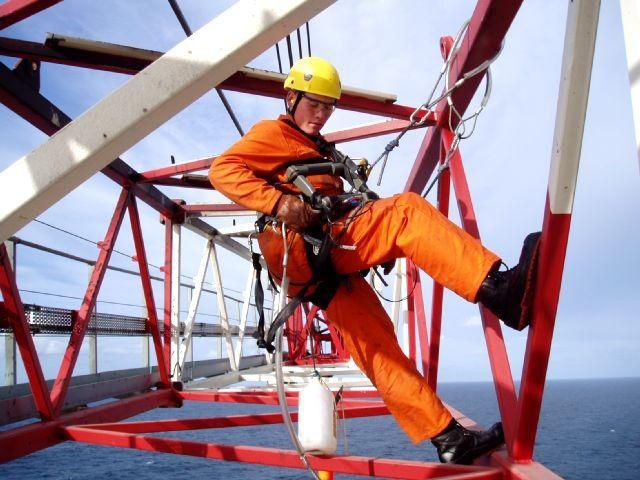
Working at heights training is a mandatory safety program that equips workers with the knowledge and skills to safely perform tasks at elevated levels. Whether in construction, maintenance, telecommunications, or industrial sectors, this training helps prevent falls — one of the leading causes of workplace injuries and fatalities. In today’s blog, we’ll break down why working at heights training is not just a regulatory checkbox, but a life-saving necessity.
Working at heights training is a structured course designed to teach employees how to safely work in environments where there is a risk of falling. This includes tasks performed on ladders, scaffolding, roofs, elevated platforms, and even within confined spaces where fall hazards exist.
The core components of this training usually include:
Fall prevention systems
Proper use of safety harnesses and lanyards
Inspection and maintenance of protective gear
Emergency rescue procedures
Understanding legal obligations and regulations
With this training, workers become capable of identifying risks and implementing the right control measures to prevent accidents.
Workplace safety isn’t just about ticking boxes—it’s about valuing human lives and reducing liability. Here's why working at heights training is absolutely essential:
Most regions have strict workplace safety regulations. In Canada, for example, the Occupational Health and Safety Act (OHSA) mandates that employees working at heights must undergo approved training. Failing to comply can result in heavy fines, shutdowns, or legal action.
Falls from heights are among the top three causes of worksite injuries. Proper training dramatically reduces the chances of falls, thus decreasing injury rates and downtime.
Trained workers are more confident and efficient when they know how to use safety equipment correctly and follow established protocols.
Accidents can cost companies thousands in medical bills, lost labor, and legal fees. Training is a small investment compared to the potential losses from an incident.
This training is essential for a wide range of professionals, including:
Construction workers
Roofing contractors
Tower climbers
Window cleaners
Maintenance personnel
Oil & gas workers
Warehouse staff using elevated platforms
Any worker required to operate at a height of over 3 meters (or per your regional safety authority’s definition) must undergo proper working at heights training.
While course content may vary depending on the provider and region, the general curriculum covers:
Learn how to assess your surroundings and identify potential risks before starting the job.
Understand the types of fall protection—such as guardrails, safety nets, and personal fall arrest systems—and how to use them effectively.
Get hands-on practice with safety harnesses, lanyards, and anchor points. Learn how to inspect, use, and store equipment properly.
Training includes how to handle fall incidents and perform rescues, minimizing injury and saving lives.
Gain knowledge of employer and employee responsibilities under workplace safety laws.
Basic Awareness Training
For individuals new to working at heights or those needing a refresher.
Advanced/Industry-Specific Training
Tailored for high-risk jobs like tower work, wind turbine maintenance, or rescue operations.
Refresher Training
Required periodically (typically every 3 years), refresher courses ensure workers remain compliant and updated on new safety practices.
Choosing the right training provider ensures compliance and quality. Here’s what to look for:
Accreditation by a recognized safety authority
Certified and experienced instructors
Practical, hands-on training
Positive reviews or testimonials
Convenient training formats (in-person, hybrid, or online theory)
Some providers also offer on-site training tailored to your company’s needs.
Myth 1: “If I’ve been doing this for years, I don’t need training.”
Fact: Safety regulations evolve, and even experienced workers benefit from updated training.
Myth 2: “Wearing a harness is enough.”
Fact: Without proper training, using a harness incorrectly can be just as dangerous as not wearing one at all.
Myth 3: “We don’t need training for low-height tasks.”
Fact: Even a fall from as little as 3 feet can lead to serious injuries.
In many jurisdictions, working at heights training is valid for 3 years, after which a refresher course is required. However, you should always verify the validity period based on your local laws or employer policies.
Working at heights training is more than a legal requirement—it's a commitment to safety, productivity, and workforce well-being. It empowers employees with the confidence and skills to carry out high-risk jobs safely. From fall prevention to emergency preparedness, this training serves as a critical investment for any organization involved in elevated workspaces.
Contact us today! Let us help you or your team get certified with comprehensive, accredited working at heights training programs that meet industry and regulatory standards.